
© 2024 Puja Goyal
The Wind in the Willows by Kenneth Grahame is a classic children’s novel that follows the adventures of four animal friends—Mole, Rat, Toad, and Badger—as they navigate the English countryside and learn valuable lessons about friendship and loyalty.
Revisiting “The Wind in the Willows” as an adult has indeed been refreshing. I remember reading fondly at the age of ten, this beautifully illustrated world of these four animal friends who lived in the English countryside. I remember yearning to be a part of their adventure, and each night, I would be an uninvited guest in their journeys.
I often wondered what made Kenneth Graham past his childhood, imagine a world far removed from the humdrum of social banter. That he was able to tell a story of four friends who set out on an adventure, in an English countryside; and that these four friends had their own situations, problems and conversations. That in this entrancing, lyrical world of gurgling riverbeds and whispering reeds he created four of the wisest, wittiest, noblest, and most lovable creatures in literature – Mole, Rat, Toad, and Badger.
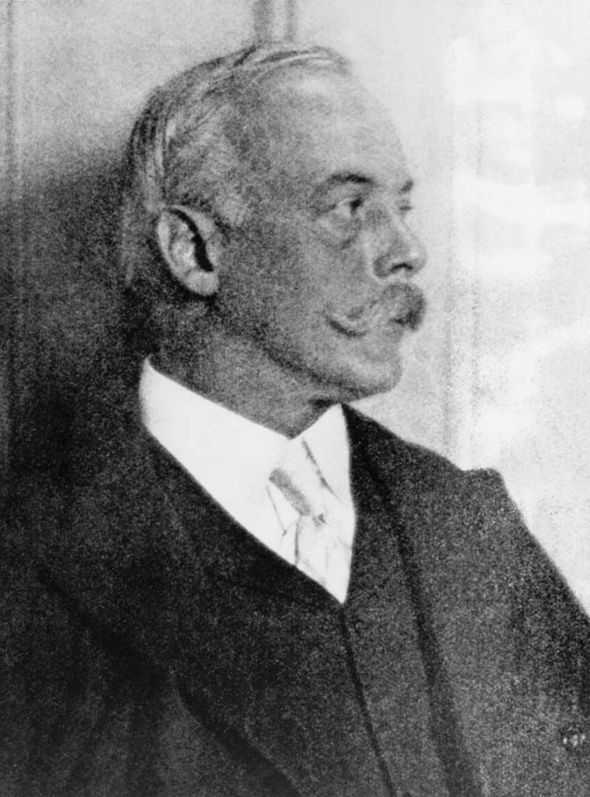
“It’s qualities, if any, are mostly negative. – i.e. – no problems, no sex, no second meaning, the book is only an expression of the very joys of life as lived by the simplest beings of a class that you are especially familiar with and not misunderstand.” wrote Kenneth Grahame to one of his fan, Theodore Roosevelt.
Just like Alice in Wonderland a book unique during its time, so was Wind in the Willows. Kenneth didn’t really know who would enjoy the book, when he was asked about the readers for his novel. The novel was enjoyed by children, but mostly relished by adults.
There is excitement in early spring, and envelops a mystery in midsummer nights and early dawns, a hankering in the first signs of fall, and dangers lurk in the first snowfall; in the end, a glorious snug in the warm confines of a home as winter arrives brings peace, love, friendship and hope.
Children are most aware of the seasons of change, perhaps more than adults, but find it difficult to articulate them. The adults however, revisit their childhood and find the greatest pleasure in being reminded of them; of celebrating these private joys and understanding what it is to live a life of simplicity and virtue.
To revisit the book for me, was to revisit childhood; as Graham correctly puts it. The books primary qualities are freedom. Freedom from the humdrum of day to day activities; from work and schedules, sex, entangling relations, authority, and the guilt authority can play on you when you don’t conform, concerns about the past and the future… freedom from all things human. Graham created an intimate society of animals and gave them food, fire, money, home, clothes and a mission to adventure.. a yearning to leave home and explore. So much so that they don’t seem like animals at all.
Grahame’s weekend trips to Berkshire served him well. He vacationed with toads, and moles, badgers, who were permanent residents of the countryside. He took his longings and delights of the world and gave it to these animals.
He was especially enamoured by the simplicity with which these animals lived, for whom their surroundings where their whole world, and that they always lived in the present with no concern for the past or future. In essence the nature of these animals were complete. It was now, in the moment that they lived, but they weren’t conscious about this aspect and this is why Graham also envied the animals much for their innocence and naivety. Graham was able to express human emotions through animals better.
This day was only the first of many similar ones for the emancipated Mole, each of them longer and fuller of interest as the ripening summer moved onward. He learned to swim and to row, and entered into the joy of running water; and with his ear to the reed-stems he caught, at intervals, something of what the wind went whispering so constantly among them. (excerpt from the Wind in the Willows)
The way Grahame perceived animal life and human friendship is similar. When the Mole finds it difficult to accept the hospitality of Rat, and is ashamed of his own home, which is so plain, compared to the Rat’s or Badger’s; it takes a perceptive and observant Rat to urge him in, praise Mole’s larder, and use the caroling mice to throw a feast for him, to show us how friendship teaches that the opposite of “giving” need not be “taking” but can be “receiving with love.”
The Wind in the Willows has overcome many barriers during its time. Written during the Pre World War 1 era, it is sometimes perceived as snobbish and for the leisurely class as it overlooks the hard aspects of ordinary living. The novel however doesn’t refute ordinary life but encourages us to look beyond our ordinary lives and find meaning in the little mundane activities, relations and aspects of life. The book has survived its time, and ranks very close to my heart. It finds a healthy route to escape boredom and mundane living.
As I revisit the world in the countryside, where these simpletons reside; I relive my childhood, albeit in a much better way. To be free, to live, to enjoy and relish all seasons, and people. To understand through these animals that life is much more than us. To understand that animals have a world, families, friendships, behaviours, habits, knowledge, wisdom, compassion, and communities. That they live too and just because we as individuals don’t understand their living, we cannot say they are not entitled to their freedom. This life in the moment is all there is for them, and this is all there is for us.
review by © 2024 Puja Goyal


Leave a comment