
Is there really freedom from tyranny?
an article by Puja Goyal
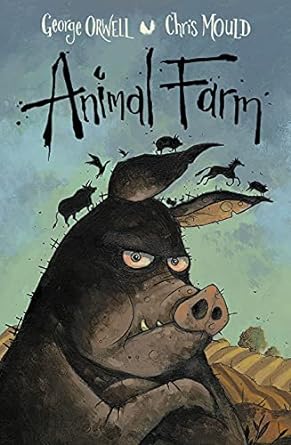
“The creatures outside looked from pig to man, and from man to pig, and from pig to man again; but already it was impossible to say which was which.“
– Animal Farm, by George Orwell.
In George Orwell’s allegorical masterpiece, Animal Farm, the depiction of the demise of human conduct and the subsequent rise of non-human species fighting for their rights serves as a poignant reflection on the cyclical nature of power and oppression. As the animals overthrow their human oppressors, a new hierarchy emerges, mirroring the very tyranny they sought to escape. The famous line, “The creatures outside looked from pig to man, and from man to pig, and from pig to man again; but already it was impossible to say which was which,” encapsulates the tragic irony of this transformation.
At its core, Animal Farm explores the inherent flaws of human society, where power corrupts and absolute power corrupts absolutely. The animals’ initial rebellion against Mr. Jones, their human master, symbolizes the oppressed masses rising against their oppressors. Led by the pigs, particularly Napoleon and Snowball, they establish a new order based on equality and fraternity. However, this noble pursuit soon gives way to the pigs’ insatiable thirst for power.
As the pigs consolidate their control, they gradually adopt the very vices they once despised in humans. They manipulate the commandments of animalism, the ideology guiding their revolution, to justify their actions and maintain their dominance. The gradual erosion of the commandments reflects the moral decay of the society they sought to create, with phrases like “All animals are equal, but some animals are more equal than others” epitomizing the hypocrisy of the ruling class.
Through the character of Napoleon, Orwell illustrates how authoritarianism thrives on deception and manipulation. Napoleon’s use of propaganda, censorship, and violence to suppress dissent mirrors the tactics of totalitarian regimes throughout history. The parallels between Napoleon and real-life dictators serve as a stark warning against the dangers of unchecked authority.
Moreover, Animal Farm raises profound questions about the possibility of achieving a utopian society. Despite the animals’ initial hopes for a better future, their revolution ultimately leads to a new form of oppression. Orwell suggests that human nature itself may be inherently flawed, making the quest for a perfect society futile. The cycle of revolution and subjugation seems inevitable, as each attempt to break free from tyranny only paves the way for a new form of tyranny to emerge.
In conclusion, Animal Farm remains a timeless classic for its exploration of themes such as power, corruption, and the fragility of freedom. Through its allegorical narrative, Orwell offers a searing critique of human society while also raising profound philosophical questions about the nature of governance and the pursuit of utopia. As the creatures on Animal Farm grapple with their own version of the human condition, readers are left to ponder the complexities of power and the elusive quest for true freedom.
© 2024 Puja Goyal


Leave a reply to Crime and Punishment – Dostoevsky’s Masterpiece. – Puja Goyal Cancel reply